

Introduction
Transitioning from Installations to Self Sustaining Systems
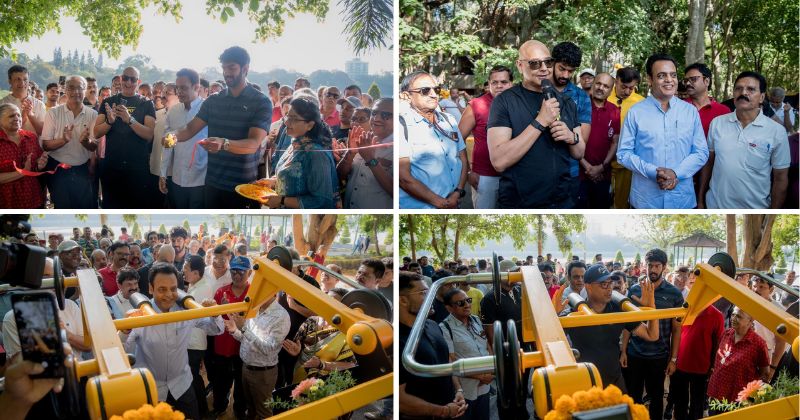
Historically, outdoor fitness installations in India have remained relatively basic, characterized by static provisions with limited adaptability and minimal technological sophistication.
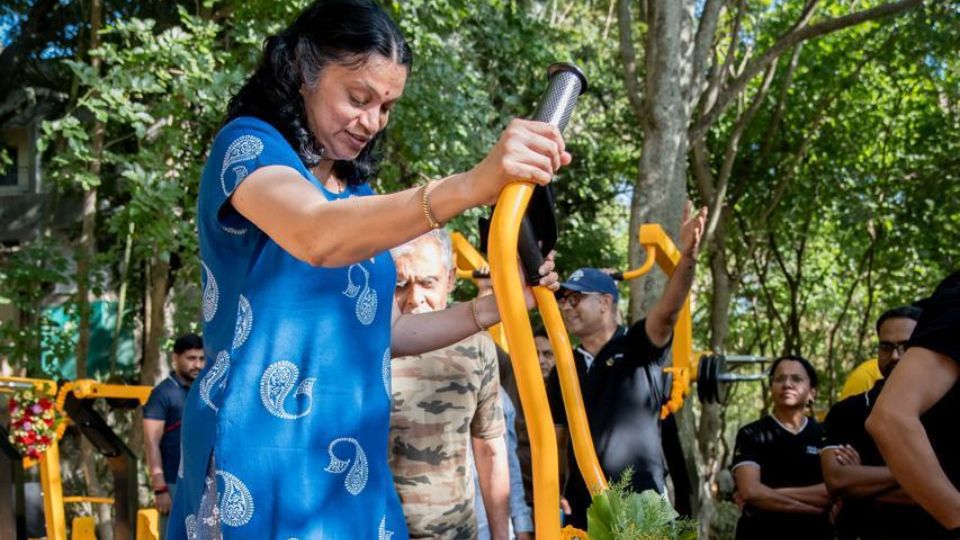
The Sankey Tank project transforms this landscape through the Krypton Cardio Series. This system is driven by kinetic energy generated through human activity, eliminating the need for electricity, batteries, or solar power. As a result, the infrastructure sustains itself through user engagement, establishing a regenerative ecosystem.
The integrated digital consoles provide real time performance insights, including calories expended, distance covered, and workout duration. The system further adapts dynamically to user intensity, ensuring a responsive and personalized experience. This evolution redefines the user’s role, shifting from passive usage to active participation within the system.
Expanding Access to High Quality Fitness
Access to advanced fitness infrastructure has traditionally been limited to individuals with access to private indoor gym facilities.
The Titan Strength Series addresses this gap by introducing a comprehensive strength training ecosystem within an open and publicly accessible environment. Engineered for precision, durability, and sustained usage, the system mirrors the experience of indoor gym environments while remaining accessible to all.
The integration of Krypton and Titan systems creates a cohesive outdoor fitness ecosystem. Public spaces are thereby redefined as environments that support both wellness and performance, extending beyond conventional recreational use.
A Framework for Urban Development
The Sankey Tank project extends beyond fitness into the broader context of urban
development.
It demonstrates the viability of infrastructure that is energy independent, scalable, cost efficient, and aligned with public health priorities. This model holds relevance across multiple stakeholders. Landscape architects can incorporate such systems into spatial design strategies. Real estate developers can enhance project value and livability. Government authorities can deploy sustainable and low maintenance solutions. Organizations can leverage such initiatives to create meaningful
community impact.
National Expansion Strategy
Koochie Global has outlined a phased expansion plan to extend this model across India. The first phase targets deployment across 500 parks, followed by expansion to 1000 parks in the subsequent phase.
The objective is to establish a network of high quality, self powered fitness infrastructure across urban centers. This initiative aims to enhance accessibility, sustainability, and community engagement, while supporting broader priorities such as preventive healthcare and improved urban livability.
Leadership Perspective and Future Outlook
Roben Dass, Chairman of Koochie Global, emphasizes that public infrastructure must evolve beyond accessibility to incorporate sustainability, inclusivity, and adaptability.
The Sankey Tank project exemplifies this vision by enabling communities to engage with fitness through systems that are environmentally conscious and independent of
conventional energy sources.
It reflects a broader transformation in the role of public spaces, shifting from passive recreational areas to active, health focused community ecosystems.
Through the integration of self powered fitness infrastructure, the project establishes a new benchmark for urban development in India. It demonstrates the potential of aligning governance, technology, and innovation to create meaningful and lasting impact.
The Sankey Tank project is not solely about fitness. It represents a forward looking approach to how cities can evolve in a sustainable and inclusive manner. It stands as a significant step in India’s urban development journey, with the potential to influence future infrastructure models.
The Sankey Tank project, along with the Krypton and Titan systems, illustrates how public spaces can be made more accessible, sustainable, and impactful. It highlights the role of technology and innovation in shaping communities that are healthier, more engaged, and better equipped for the future.